
Unified Design + SEO Brief
Every project starts with both design goals and SEO targets defined together. URL structure, heading hierarchy, and page intent are decided before the first wireframe.
SEO-friendly website design
SEO-friendly website design for HVAC, plumbing, and roofing — where layout, structure, and search intent share one brief. Leads, not just a brochure.
Performance as a baseline
SEO enters the brief on day one
Every project, no exceptions
Not after the build
SEO-friendly website design is not design handed off to SEO later. Same brief, same team, same outcome.
Every project starts with both design goals and SEO targets defined together. URL structure, heading hierarchy, and page intent are decided before the first wireframe.
Semantic HTML, structured data, canonical tags, XML sitemaps, robots.txt, and Core Web Vitals, built correctly from the start, not audited and fixed after launch.
Layouts designed around how your visitors actually behave, clear hierarchy, deliberate CTAs, and visual trust signals that convert traffic into leads.
Page speed isn’t a separate optimization pass. We build fast. Lighthouse 90+ scores, optimized images, minimal JavaScript, edge deployment on Cloudflare.
Title tags, meta descriptions, heading structure, internal linking architecture, and keyword targeting, handled during the build, not retrofitted after.
We hand off every site with Google Search Console configured, sitemap submitted, and a clear picture of the keyword targets and content opportunities to pursue next.
The design-SEO split is not just inefficient. It works against SEO-friendly website design — worse looks and weaker rankings.
The typical agency model: designers build the site, then an SEO team reviews it and adds a list of fixes. The SEO team wants to change URL structures that are already built. They want to add content the design doesn’t accommodate. They want heading hierarchy that conflicts with the visual treatment. The result is a compromise, a site that’s aesthetically weaker than it could have been and technically worse for SEO than it should have been. Both teams did their job. The outcome is still suboptimal.

URL structure, content hierarchy, page intent, internal linking, these are architectural decisions that affect both design and SEO simultaneously. When they’re made early, design can be built around them and SEO targets can be met without compromise. When they’re made late, or by a separate team after the site is built, you’re retrofitting. That’s slower, more expensive, and produces worse results than getting it right the first time.

We start every project with the same conversation: what do you want this site to rank for, and what do you want visitors to do when they get there? Those two questions shape everything, the URL structure, the page hierarchy, the content architecture, the visual layout, the CTAs. Design and SEO aren’t reviewed against each other at the end. They’re built toward the same goals from the beginning.

We hand off every site with the technical SEO foundation in place. Search Console configured, sitemap submitted, structured data verified, Core Web Vitals benchmarked. What comes next, content, backlinks, topical authority, is easier and more effective when the foundation is right. We can stay involved for ongoing SEO, or hand off cleanly to your team or another agency. Either way, you’re starting from a strong position.

Every SEO-friendly website design project follows this structure. Design and SEO decisions happen together at every stage — not sequentially.
We start with two questions: what do you want this site to rank for, and what do you want visitors to do? Keyword targets, competitor analysis, current SEO baseline, and conversion goals are all established before any design work begins.
URL structure, site hierarchy, page intent, and internal linking architecture are mapped before wireframes. This is where most SEO mistakes are made or avoided, and where design and SEO need to be in the same conversation.
Wireframes and visual design developed with heading hierarchy, content structure, and conversion goals already defined. Every layout decision is connected to both the aesthetic direction and the SEO architecture. You review and approve at wireframe and design stages.
Semantic HTML, structured data, canonical tags, image optimization, page speed, Core Web Vitals, built correctly as we go, not audited after the fact. We build on Astro + Sanity + Cloudflare by default for maximum performance and SEO capability.
Before go-live: full technical SEO audit of the staging site, titles, descriptions, canonicals, structured data, sitemap, robots.txt, page speed, internal links. Everything verified before launch, not after.
Google Search Console configured, sitemap submitted, analytics verified. You receive a handoff document covering the SEO foundation, keyword targets, and content opportunities to build on. Post-launch monitoring for 30 days.
| Feature | FlintHorn | Design Agency + SEO Agency |
|---|---|---|
| SEO targets defined before wireframes | ✓ | ✗ |
| URL structure decided in architecture phase | ✓ | – |
| Heading hierarchy built into design system | ✓ | ✗ |
| Structured data implemented during build | ✓ | ✗ |
| Core Web Vitals benchmarked pre-launch | ✓ | – |
| One team accountable for both outcomes | ✓ | ✗ |
| No post-launch SEO retrofit required | ✓ | ✗ |
| Post-launch monitoring included | ✓ | – |
Real projects, real outcomes. Client names available on request.

Brought a government court platform into full WCAG 2.1 AA compliance — a 9.8/10 WAVE score, zero accessibility errors, and zero downtime during remediation.
Client name available on request

Replatformed a corporate housing company without losing a single search ranking — and shipped the new build at a 100 Lighthouse score.
Client name available on request
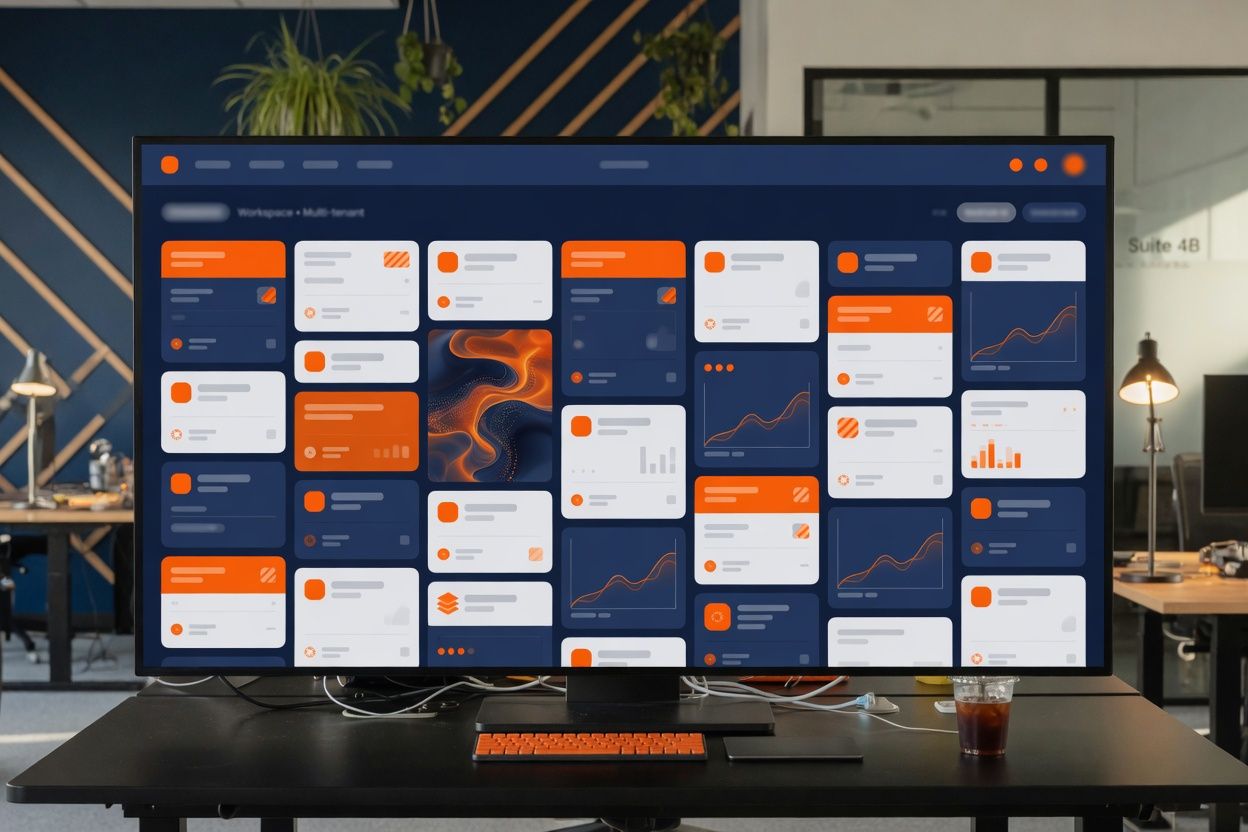
Built a multi-tenant MLS dashboard with optimized LCP for a data-heavy real-estate tool.
Client name available on request
SEO-friendly website design means design and SEO share one brief from day one — URL structure, heading hierarchy, speed, and conversion paths decided together. Most agencies still hand work between a design team and an SEO team; that split produces compromises on both sides. We build for HVAC, plumbing, and roofing search intent without that handoff.
It means SEO decisions happen at the architecture stage, not the audit stage. URL structure, page hierarchy, content intent, internal linking, these are decided before the first wireframe. Heading structure is designed into the layout system. Technical SEO requirements (structured data, canonical tags, sitemap structure) are part of the development spec. You don’t get an SEO audit after launch, you get a site that was built correctly from the start.
Yes, and protecting your existing SEO equity is a core part of how we approach redesigns. We audit your current rankings, top-performing pages, and URL structure before any design work begins. Everything worth protecting gets carried over. See our redesign servicefor the full process.
Astro + Sanity CMS + Cloudflare Pages is our default stack, optimized for performance, SEO, and content management flexibility. We also build on WordPress and can work within your existing platform if you have one. See our web development servicefor more on the technical side.
Yes, we can stay involved for ongoing SEO work including content strategy, LLM and AI SEO optimization, and technical SEO maintenance. We can also hand off cleanly to your internal team or another agency. Either way, you’re starting from a properly built foundation. See our LLM & AI SEO service
Typically 8–12 weeks for a full new build. The discovery and architecture phase takes longer than a pure design project because we’re establishing both the visual direction and the SEO architecture before any build work begins, but that investment upfront saves time and cost later.
Notes on SEO-friendly website design, performance, and how design and SEO work together.
If your contact form treats a no-heat call the same as a “just browsing” quote request, you are losing jobs. Here is how trade websites bury emergencies — and how to fix the front door.
Trade shops do not need fifty thin city pages. They need clear service pages, honest service-area signals, and a site fast enough to convert the click.
Structured data tells search engines exactly what your content is about. It powers rich results, helps AI-powered search cite your site, and builds your presence in Google's knowledge graph. Here's how it works and which schema types matter most.